
Do Sleep Meditation Apps Actually Help Adults Sleep?
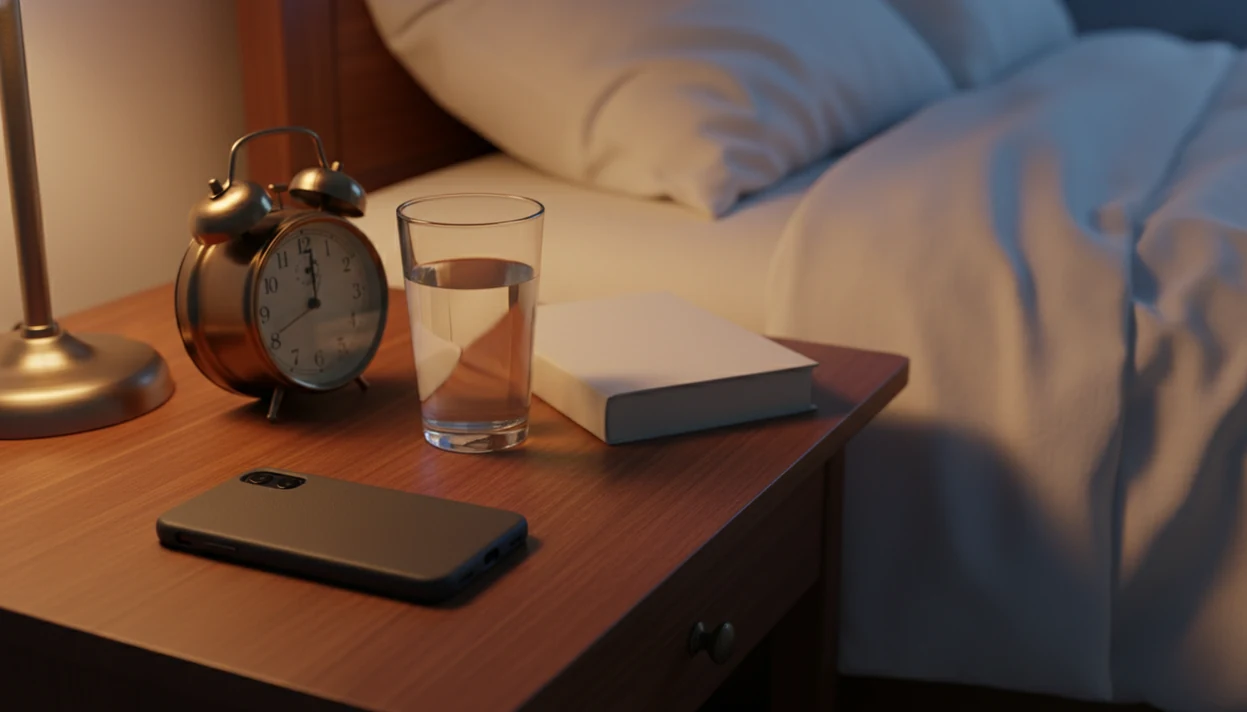
Yes, do sleep meditation apps actually help some adults sleep, but the evidence is better described as mixed and promising than guaranteed. They are most likely to help when sleep trouble is driven by stress, racing thoughts, or an inconsistent wind-down routine, and they are least likely to work as a standalone treatment for chronic insomnia or medical sleep disorders.
> Sleep meditation apps are wellness tools that use guided mindfulness, breathing, body scans, calming narration, music, sleep sounds, or adult bedtime stories to reduce pre-sleep arousal and make sleep easier.
TL;DR
- The strongest evidence supports mindfulness-based sleep practices in general, with app-based programs showing smaller but still useful signals for stress, mood, and sleep.
- Sleep meditation apps mainly help by lowering stress and rumination, not by sedating you like a sleeping pill.
- They work best as part of a broader bedtime routine with dim lights, fewer notifications, and a consistent sleep schedule.
At a glance: do sleep meditation apps actually help?
Sleep meditation apps can help many adults relax and report better sleep quality, but they are not a guaranteed insomnia cure. The more accurate answer is: they can lower the mental and physical arousal that keeps some people awake.
A key distinction matters. Evidence is stronger for mindfulness-based interventions than for every individual app in the store. A guided body scan at 10:15 p.m., with the phone face down and the timer already set, is closer to the studied behavior than scrolling through five audio previews in bed.
Adults with serious sleep disorders should not rely on an app alone. Snoring with pauses, severe daytime sleepiness, panic at bedtime, or months of insomnia deserve professional support.
Apps in this category fit the wellness side of sleep support: calming narration, sleep meditations, sleep sounds, and adult bedtime stories designed for a lower-stimulation wind-down.
The strongest sleep app evidence for adults
Does sleep meditation work? The strongest single trial often cited is a 2015 randomized study of adults with moderate sleep disturbances; after 6 weeks, mindfulness meditation training improved sleep quality and reduced insomnia symptoms compared with sleep education source.
A broader 2019 meta-analysis of 18 randomized controlled trials found small to moderate improvements in sleep quality from mindfulness-based interventions across adult groups source. The National Center for Complementary and Integrative Health also states that meditation and mindfulness practices may help with sleep quality, though results vary by population and study design source.
That supports meditation for sleep quality. It does not prove that every sleep app is clinically validated, or that one night of listening will change sleep architecture. The practical takeaway is narrower: structured mindfulness can help some adults sleep better, and apps may be a convenient delivery method when they keep the routine low-stimulation.
The last calendar check under dim light is often where the routine succeeds or breaks.
Five facts about meditation for sleep quality
- Mindfulness and meditation are linked with better sleep quality and fewer insomnia symptoms. The clearest findings come from structured programs, often practiced repeatedly over several weeks.
- The main mechanism is reduced stress, pre-sleep arousal, and racing thoughts. For many adults, the problem is not lack of tiredness; it is a mind that keeps rehearsing tomorrow.
- App-based mindfulness studies show benefits for stress, anxiety, and mood. Those outcomes often affect sleep, even when sleep is not the only measured endpoint.
- Most individual sleep apps have limited long-term clinical validation. Sleep app evidence is usually stronger at the category level than at the brand-by-brand level.
- Sleep meditation works best with sleep hygiene. For adults with racing thoughts, a guided practice plus a consistent wind-down often beats silent willpower because it gives attention somewhere specific to rest; the fuller routine is covered in our sleep meditation for racing thoughts guide.
How sleep meditation apps work in the brain and bedtime routine
Sleep meditation apps work by lowering pre-sleep arousal, the mix of stress, rumination, body tension, and worry about not sleeping. In plain terms, they give the nervous system fewer reasons to stay on alert.
Guided breathing and body scans redirect attention toward simple sensations. Mindfulness asks you to notice thoughts without following them. Adult bedtime stories and calming fiction work differently; they gently occupy attention so the brain has less room to replay work, conflict, or tomorrow’s tasks. Good bedtime stories and sleep meditation for adults deliver calming fiction, wind-down routines, and sleep sounds, family-safe relaxation, not 18+ audio or medical treatment.
How to use sleep meditation apps:
- Choose one track before getting into bed, not after scrolling.
- Set the timer for 10 to 30 minutes and turn the screen face down.
- Lower the volume until the voice sits behind your thoughts.
- Repeat the same cue for several nights before judging results.
- Stop browsing if the phone starts making you more alert.
The phone can undo the whole mechanism.
How to use sleep meditation apps
Use a sleep meditation app as a simple bedtime cue, not as another thing to browse. The goal is to make the phone disappear into the routine while the audio gives your attention somewhere quiet to land.
- Choose one track before you get under the covers, ideally during your wind-down rather than after the lights are out. Picking in advance prevents the app from turning into a late-night menu of previews, ratings, and decisions.
- Set a timer for about 10 to 30 minutes, then place the screen face down or out of reach. The less you need to touch the device, the less likely it is to pull you back into alert mode.
- Keep the volume low enough that the narrator or soundscape stays in the background. You should not have to strain, but it should feel softer than daytime listening.
- Repeat the same practice for several nights before deciding whether it helps. Familiarity can become part of the cue.
- Stop using the app if browsing, notifications, or frustration make you more awake. In that case, the tool is working against the routine.
Sleep meditation app results versus sleep pills and CBT-I
Sleep meditation apps are low-risk wellness supports, not regulated insomnia treatments. CBT-I is typically considered a first-line behavioral treatment for chronic insomnia, while apps may be adjunctive.
| Option | What it is | Where it may help | Important caveat |
|---|---|---|---|
| Sleep meditation apps | Guided audio, breathing, body scans, stories, sounds | Stress-driven arousal, mild sleep disturbance, routine building | Not a medical treatment for insomnia |
| Sleep medication | Prescription or over-the-counter sleep aids | Short-term symptom relief in selected cases | Requires clinician or pharmacist guidance |
| CBT-I | Structured behavioral therapy for insomnia | Chronic insomnia patterns and sleep-related worry | Best done with trained support |
| General sleep hygiene | Light, schedule, caffeine, bedroom habits | Baseline routine and consistency | Often not enough alone for chronic insomnia |
Clinicians typically recommend evaluation when insomnia is persistent, severe, or tied to breathing problems, mood symptoms, pain, or trauma. The most common medically supported behavioral treatment for chronic insomnia is CBT-I combined with sleep schedule and stimulus-control work.
Common myths about whether sleep meditation works
Instant sleep myth. A sleep meditation app does not need to make you fall asleep on the first night to be useful. Many adults notice less struggle before they notice longer sleep.
Proof myth. Not all sleep apps are scientifically proven or FDA-approved. Most sit in the wellness category, even when they use techniques supported by broader mindfulness research.
Replacement-care myth. Meditation apps do not replace care for sleep apnea, chronic insomnia, PTSD, major depression, or chronic pain. If symptoms are strong or worsening, an app should not be the plan.
Knockout myth. If the meditation does not “knock you out,” it has not necessarily failed. Success can mean your shoulders drop, your breathing slows, and the room feels less mentally crowded.
For some people, a body scan meditation for insomnia is easier than open-ended mindfulness because it gives attention a clear path through the body.
Best-fit adults for sleep meditation apps
Sleep meditation apps are the best fit for adults whose sleep trouble is tied to stress, busy thoughts, inconsistent wind-down habits, or mild sleep disturbance. They are also useful for people who want a repeatable cue: same lamp, same audio, same final few minutes before lights out.
They may fit people who prefer guided voices, calming sounds, or adult bedtime stories over silent meditation. Soft rain, brown noise, and distant train ambience feel different in the body, so texture matters. A calm adult narrator also lands differently than a sing-song children’s story voice.
Lower-fit adults include people who become irritated by narration, compulsively scroll when using a phone, or have severe insomnia symptoms. Family-safe sleep audio apps can serve people looking for calming fiction, sleep meditations, and sleep sounds for grown-ups without drifting into 18+ audio or medical-treatment claims. If you are comparing formats, the sleep stories vs sleep meditation distinction is worth understanding.
Limitations
Sleep meditation apps have real limits, and those limits matter more than the app-store rating. The evidence is strongest for mindfulness-based interventions generally, not for every specific sleep app.
- Many app studies are short-term, self-selected, or based on self-reported sleep outcomes.
- A phone-based app can backfire if blue light, notifications, or scrolling increases arousal.
- Guided audio can be distracting or irritating for some adults, especially at the wrong volume.
- Sleep meditation apps should not replace evaluation for sleep apnea, chronic insomnia, major depression, PTSD, chronic pain, or other medical issues.
- Benefits may require regular use over days or weeks, and adherence often drops over time.
- Improvements may be modest rather than dramatic.
- Shared bedrooms add another variable; a partner asking, “Can you turn it down one notch?” can change the whole setup.
For persistent symptoms, professional care matters. An app can be a wind-down cue, but it cannot diagnose airway obstruction, medication effects, trauma responses, or pain patterns.
FAQ
Does sleep meditation work for adults?
Sleep meditation can work for some adults by reducing arousal, stress, and rumination before bed. Results vary by sleep problem, consistency, and overall routine.
Are sleep meditation apps evidence-based?
Evidence supports mindfulness practices more strongly than most individual app brands. Some apps use evidence-informed methods, but many have limited direct clinical testing.
Can meditation cure insomnia?
Meditation may reduce insomnia symptoms for some adults, but it is not a guaranteed cure. Chronic insomnia often needs CBT-I, medical evaluation, or clinician-guided care.
How long does meditation take to help sleep?
Benefits often build over days to weeks of consistent practice. One difficult night does not prove the method failed.
Do sleep stories actually help adults fall asleep?
Adult sleep stories may help by gently occupying attention and reducing rumination. They work best when the narration is calm, low-drama, and not mentally stimulating.
Are sleep apps just a placebo?
Placebo and expectation may contribute to sleep app benefits. However, clinical mindfulness research shows measurable sleep-quality signals beyond marketing claims.
Can sleep apps make sleep worse?
Yes, sleep apps can backfire if they increase screen exposure, notifications, scrolling, or frustration. The app should reduce stimulation, not add another bedtime task.
Which sleep app features matter most?
Useful features include low-stimulation audio, sleep timers, offline playback, gentle narration, and minimal screen interaction. Calm, Headspace, and other sleep apps vary in how well they reduce bedtime friction.
Should I use headphones with a sleep meditation app in bed?
Use whichever setup is comfortable and safe at low volume. Speaker playback or sleep-friendly earbuds are usually better than bulky headphones that disturb posture.