
Non-Erotic Bedtime Stories For Adults To Play Safely
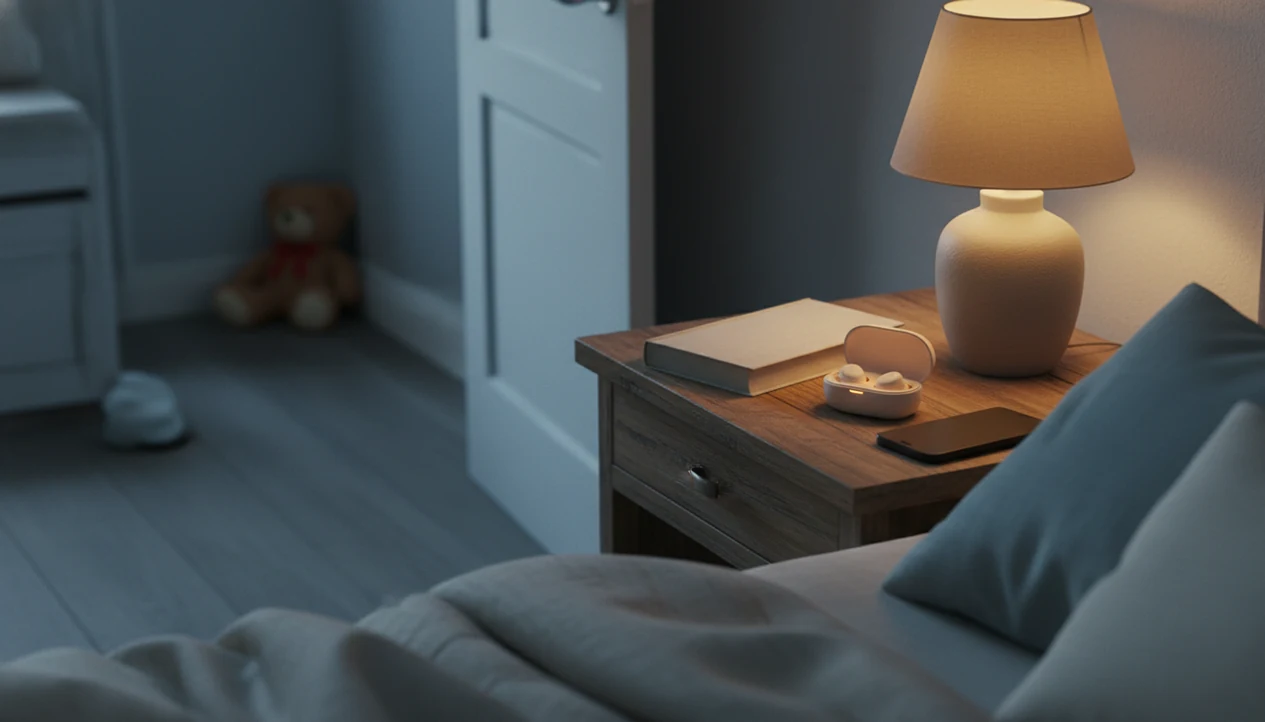
Non-erotic bedtime stories for adults are calming, grown-up sleep stories without sexual content, horror, or explicit surprises. They are meant for adults who want mature language, slow pacing, and peaceful audio they can play safely in a shared home or family setting.
Definition: Non-erotic bedtime stories for adults are family-safe sleep stories with adult-appropriate tone, gentle narration, and no sexual or explicit content.
TL;DR
- “Adult” should mean mature, calming, and age-appropriate, not sexual or explicit.
- The safest choices clearly label content as non-explicit, family-safe, PG, or not erotic.
- Sleep stories can support a wind-down routine, but they are not a medical treatment for chronic insomnia.
Non-erotic bedtime stories for adults: the clean-content definition
Non-erotic bedtime stories for adults are family-safe, adult-appropriate sleep stories that use calm narration without sexual, explicit, frightening, or shock-based content. “Adult” here means the story is written for grown-up attention spans, not that it belongs in an 18+ category.
That distinction matters. A story can mention travel, memory, work stress, weather, friendship, or a quiet city walk without becoming explicit. People also search for non explicit bedtime stories adults, safe adult bedtime stories, and adult stories not sexual when they want the same thing: clean audio that still feels grown-up.
Calming fiction, sleep meditation, and sleep sounds can sit in one bedtime routine. The useful pattern is simple: lower the lights, choose gentle audio, set a timer, and let the room get boring on purpose.
At-a-glance safety checklist for safe adult bedtime stories
Safe adult bedtime stories are easiest to choose when you check the label, tone, and platform before pressing play. A shared bedroom makes this more important; so does a hallway where kids may still be awake.
| Check | Green flags | Red flags |
|---|---|---|
| Content label | Family-safe, PG, non-explicit, no explicit tag | 18+ label, sensual romance category, adult entertainment framing |
| Story style | Gentle plot, slow narration, predictable tone | Horror, true crime, jump scares, dark suspense |
| Playback control | Sleep timer, clear track title, stable volume | Autoplay into unknown episodes or unmoderated playlists |
| Shared-home use | Partner-friendly listening, low volume, no awkward surprises | Creator notes that hint at erotic, intense, or disturbing themes |
A quick test helps: play the first minute before bedtime, not after you’re already tired. One partner asking, “Can you turn it down one notch?” is normal. A sudden tonal shift is not.
5 facts about non-explicit bedtime stories for adults
- Non-erotic sleep stories are designed for relaxation, not arousal. Their job is to make attention softer, not more charged.
- Gentle narrative can distract from racing thoughts. For many listeners, a low-stakes plot gives the mind one quiet thread to follow.
- Slow pacing and predictable plots reduce alerting surprises. A moonlit garden described in calm detail is less likely to spike attention than conflict or cliffhangers.
- They work best inside a broader wind-down routine. The most common medically supported way to improve chronic sleep problems is evidence-based care, such as CBT-I when appropriate, combined with steady sleep hygiene basics.The American College of Physicians recommends CBT-I as first-line treatment for chronic insomnia (https://www.acpjournals.org/doi/10.7326/M15-2175).
- They are supportive, not a cure for chronic insomnia. The NHLBI reports that about 30% of adults have short-term insomnia symptoms and about 10% have chronic insomnia (https://www.nhlbi.nih.gov/health/insomnia), so persistent sleep trouble deserves proper evaluation.
For a broader clean-audio library, our guide to sleep stories for adults covers tone, length, and bedtime fit.
How non-erotic bedtime stories for adults work at night
Non-erotic bedtime stories work by giving the brain a cognitive off-ramp: a low-stakes narrative replaces looping thoughts with something gentle and predictable. In plain terms, the story gives your attention a soft place to land.
The mechanism overlaps with guided imagery and relaxation training, though direct research on bedtime fiction is more limited. Meditation app research and relaxation studies suggest that brief, repeated calming practices can improve sleep quality for some adults. Clinicians typically recommend consistent schedules, reduced evening stimulation, and evidence-based insomnia care when sleep problems persist.
Audio details matter. A 10-minute track may cue a short routine, while a 30-minute story may suit someone who takes longer to settle. Narrator tone, volume, and pacing can help or distract. Rain tapping softly through headphones may feel soothing one night, but spoken dialogue may be too interesting on another.
Sources for sleep-safety guidance
Sleep-safety guidance for bedtime stories should lean on medical sleep sources first, then treat fiction as a supportive routine cue. The key distinction is simple: insomnia care has clinical evidence behind it; bedtime fiction has less direct evidence than treatments such as CBT-I.
A practical source stack looks like this:
- Use NHLBI for insomnia prevalence, sleep-disorder context, and the reminder that persistent sleep trouble can deserve medical evaluation.
- Check ACP or AASM guidance when discussing chronic insomnia care, especially the role of CBT-I as a structured, evidence-based treatment rather than a casual relaxation tip.
- Rely on reputable sleep-hygiene guidance for routine basics: consistent timing, lower evening stimulation, a calmer bedroom, and fewer alerting cues near bedtime.
- Frame non-erotic bedtime stories as an optional wind-down support, not a proven cure. A story may make the room feel quieter and give attention somewhere gentle to rest, but it should not replace clinical care when insomnia is ongoing, severe, or affecting daytime safety.
Specific clean-content guarantees for adult stories not sexual
A clean adult sleep-story library should make its boundaries obvious before playback: calming fiction, sleep meditations, and sleep sounds for grown-ups without erotic framing or explicit surprises.
The content position is specific: no erotic storytelling, no 18+ framing, and no explicit surprise content. The tone is grown-up without being childish, clinical, or sexualized. That means cozy stories, soft narration, ambient sleep sounds, and simple sleep meditations can live together without making the room feel awkward.
Good bedtime stories and sleep meditation for adults deliver calming fiction, wind-down routines, and sleep sounds, family-safe, not 18+.
For people comparing focused sleep-story apps, the best bedtime stories for adults app guide explains how clean content, timer controls, and story length affect real bedtime use.
Content exclusions for safe adult bedtime stories
Safe adult bedtime stories are not erotica, ASMR with sexual undertones, explicit romance, or adult entertainment. If someone is looking for arousing content, this is the wrong category and the wrong page.
They also are not horror, true crime, shock content, or high-stakes thrillers. Those formats can be well made, but they often rely on tension, danger, or emotional spikes. That is the opposite of a quiet wind-down cue.
One more boundary matters. Non-erotic stories are not medical treatment, therapy, CBT-I, or diagnosis. They can be part of a calming evening routine, but they should not replace care for insomnia, panic symptoms, trauma, depression, sleep apnea, or other health concerns. Clean audio is still just audio.
When to seek professional help for sleep problems
Seek professional help when sleep trouble keeps lasting, worsens, or starts affecting your days. Bedtime stories can support a routine, but they cannot diagnose insomnia, sleep apnea, panic, depression, medication effects, or other health conditions.
A calm track may make the room feel safer and less busy. That is useful. But if you are lying awake for weeks, dreading bedtime, nodding off while driving, missing work, or feeling unable to function, it is time to involve a clinician. Urgent help is more appropriate if someone notices breathing pauses during sleep, you wake with chest pain, or tiredness creates an immediate safety risk.
- Contact a primary care clinician, sleep specialist, or mental health professional if insomnia persists or disrupts daytime focus, mood, work, caregiving, or driving.
- Mention any loud snoring, gasping, pauses in breathing, restless legs, nightmares, panic symptoms, low mood, medication changes, alcohol use, or pain.
- Ask whether CBT-I, sleep apnea screening, medication review, or mental health support fits your situation.
- Use non-erotic bedtime stories as a gentle wind-down cue while following medical advice, not as a replacement for evaluation or treatment.
Common myths about non-erotic bedtime stories for adults
- Myth: Adult bedtime stories are automatically sexual. In this category, “adult” means mature pacing and grown-up language, not explicit content.
- Myth: Any story will help you sleep. Thrillers, explicit romance, and intense drama can raise alertness because the brain keeps waiting for the next turn.
- Myth: Sleep stories cure insomnia by themselves. Stories can support general relaxation, but chronic insomnia often needs structured clinical help.
- Myth: Only anxious or bad sleepers use them. Many steady sleepers use bedtime audio because a repeated cue makes the end of the day feel cleaner.
For adults who want calm plots without childish narration, grown-up bedtime stories can be a better phrase than “adult stories” in search boxes. It avoids the wrong signal.
How to report unsafe adult bedtime story content
If a bedtime story turns explicit, frightening, or disturbing, stop playback immediately. Don’t wait to see where it goes, especially in a shared room or when kids are nearby.
Before replaying anything from an app, podcast, or playlist, check the episode description, ratings, creator notes, and platform labels. Unmoderated playlists deserve extra caution because one safe track does not guarantee the next one. Autoplay is the small trap here.
Report mislabeled content through the platform or app support channel. When you contact support, include the track title, the issue, and the timestamp where the problem occurs. That detail is more useful than a general complaint.
When testing a new creator, try it earlier in the evening. A phone face-down on the nightstand with the sleep timer already set is not the time to discover a playlist changed tone.
Limitations
Non-erotic bedtime stories can be useful, but they have clear limits.
- They are not a substitute for medical care, mental health support, sleep apnea screening, or CBT-I for chronic insomnia.
- Some people find spoken audio too engaging and sleep better with silence, brown noise, or distant train ambience.
- Direct research on bedtime fiction is limited compared with research on relaxation, meditation, and guided imagery.
- Long tracks, autoplay, headphones, or favorite narrators can become sleep crutches for some users.
- Not every platform screens content reliably, so non-explicit labels still require judgment.
- Explicit, scary, or emotionally intense content may increase alertness instead of lowering arousal.
- A story that helps one person may annoy a partner, especially through a shared speaker set to low volume.
For short routines, a 10-minute sleep story for adults may be easier to test than a long nightly playlist.
FAQ
Does grown-up bedtime audio mean sexual content?
No. In this context, grown-up means mature tone, calm vocabulary, and slower pacing without erotic or explicit material.
What does a non-erotic bedtime story mean?
A non-erotic bedtime story is a calming sleep story without sexual, explicit, or arousing material. It is meant for general relaxation.
Are sleep stories safe for families?
They can be, if they are clearly labeled family-safe, non-explicit, or PG. Check descriptions before playing them in shared spaces.
Can bedtime stories help with insomnia?
Bedtime stories may support relaxation and a predictable wind-down routine. They are not a stand-alone treatment for chronic insomnia.
What kinds of stories are best for sleep?
Calm, low-stakes, predictable stories usually fit sleep better than suspense, conflict, or emotional cliffhangers. Gentle narration also matters.
Should adults avoid romance stories at bedtime?
Gentle romance may be fine for some adults. Explicit or arousing romance is less suitable when the goal is sleep.
Is there an app for non-erotic adult bedtime stories?
Yes. Bedtime Adult offers family-safe bedtime stories, sleep meditations, and sleep sounds for grown-ups.
Are podcasts safe to play at bedtime?
Podcasts vary by creator and episode. Check labels, notes, ratings, and past consistency before using one for sleep.
Can sleep audio become a crutch?
Yes, for some people. If audio feels required every night, try lowering volume, shortening tracks, or alternating with simple soundscapes.